Batchelor Lab — University of Minnesota Medical School
Batchelor Lab
University of Minnesota Medical SchoolWelcome to our lab
Decoding stress: temporal control of p53 and cell fate
We combine single‑cell imaging, quantitative reporter assays and computational models to understand how dynamic signalling controls repair, arrest and cell death.
Principal investigator
Eric Batchelor, PhD
Assistant Professor
I apply single‑cell quantitative approaches and modelling to dissect stress‑response signalling — especially p53 dynamics — and their control of cell fate.
Full profile →Programmes
Key research programmes
01
p53 dynamics and encoding
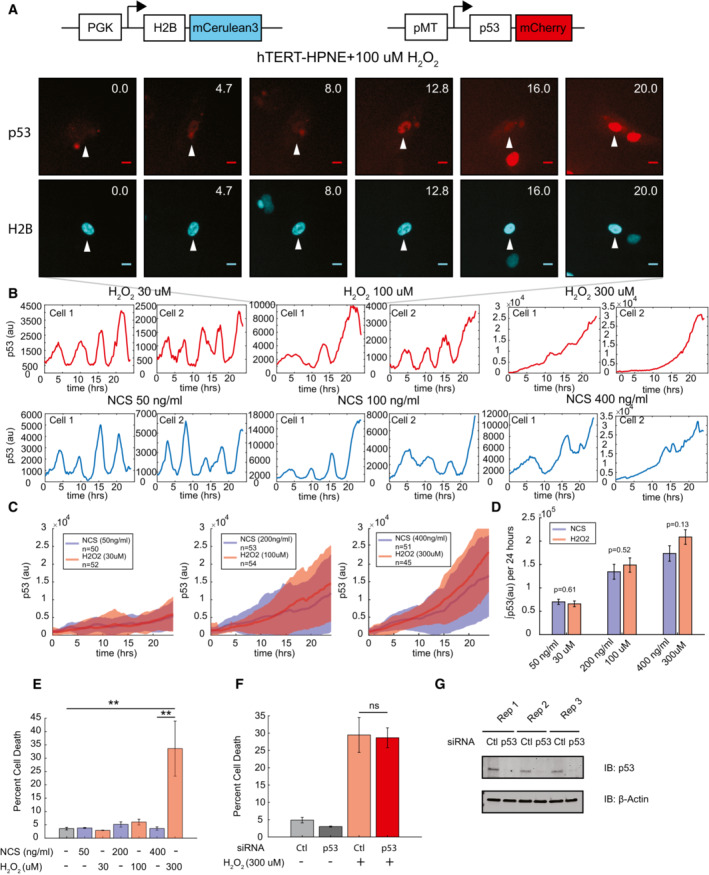
How do amplitude, duration and frequency of p53 activity encode specific transcriptional programmes and cell fates?
02
DNA-damage response and cell fate
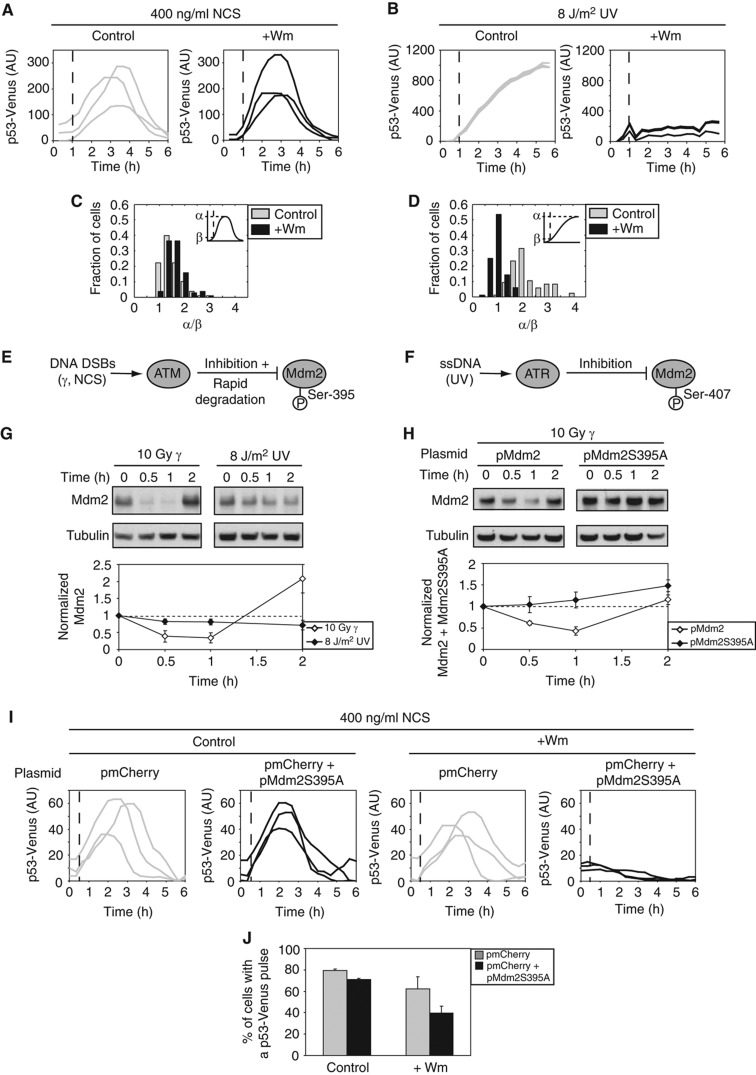
Mechanistic links between DNA-damage sensing, p53 dynamics and outcomes: arrest, repair, senescence or cell death.
03
Cell-cycle arrest versus apoptosis
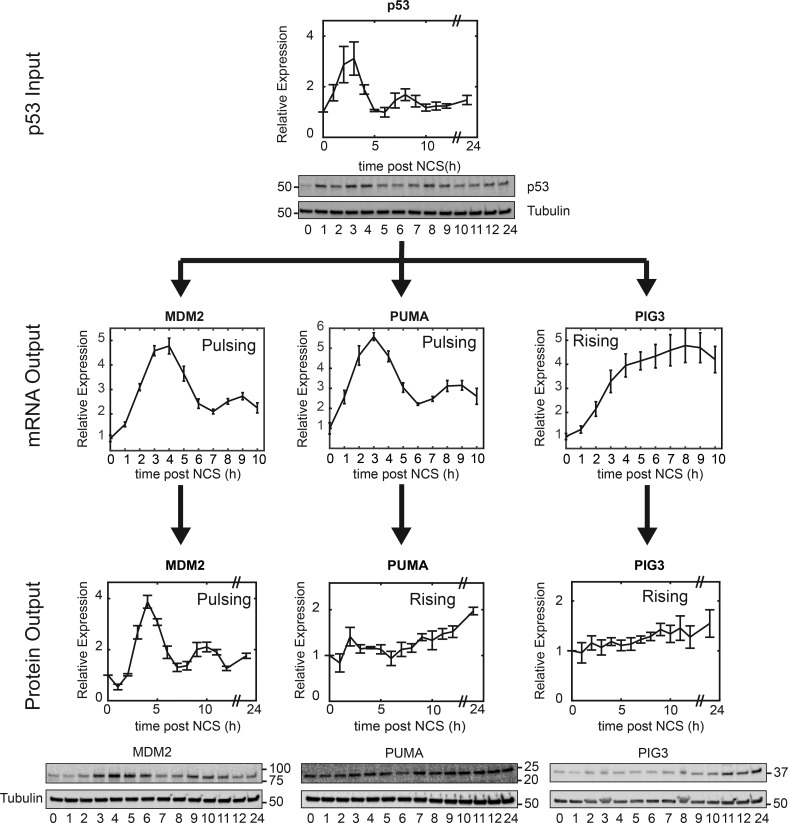
How dynamic features of stress signalling determine whether cells arrest and repair or activate apoptotic programmes.
04
Signalling crosstalk: MYC and MAPK interactions
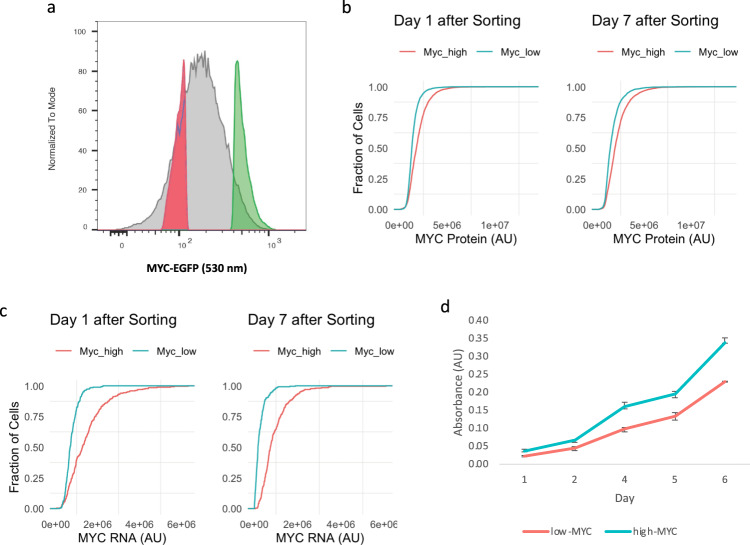
How interactions between p53, MYC and MAPK networks influence dynamic behaviour and fate selection.
Selected publications
Recent and defining work
2011↗2012↗2017↗2019↗2020↗
Stimulus-dependent dynamics of p53 in single cells
Molecular Systems Biology
p53 dynamics control cell fate
Science (Purvis et al.)
Global inhibition with specific activation: how p53 and MYC redistribute the transcriptome in the DNA double-strand break response
Molecular Cell
Protein stability of p53 targets determines their temporal expression dynamics in response to p53 pulsing
Journal of Cell Biology
Two‑Stage Regulation of MYC Expression in Primary Single Cells
Communications Biology
Join the lab